Regarding my prior work on privacy issues
Category: UDC Disaster Mgt course / Homeland Security Masters program
Trump administration rolls back some post-Katrina changes at FEMA : NPR
Wind isn’t the only threat: Scientists urge shift to more informed hurricane scale
https://phys.org/news/2025-08-isnt-threat-scientists-urge-shift.html
I haven’t argued the need for an advanced scale. I would include a measures such as a. diameter of the wind field, b. amount of total moisture with in the wind field, c. expected increase (/decrease) in next 12hrs
Urban Institute releases data to help states prep for natural disasters – Route Fifty
Charm City bets on blockchain to reduce vacant properties
State and local security adjusting to shifting cyber threats, insurance requirementsReport details how states can implement reliable, effective generative AI
Lacking nationwide protections, states are stepping up to protect child influencers[SPONSORED] Uncovering the true state of digital government
[SPONSORED] Laying the groundwork: Four pillars for trusted AI in state and local government
Urban Institute releases data to help states prep for natural disasters

A newspaper warns of the oncoming disaster as Hurricane Katrina strikes Mobile, Alabama, with a 15-foot storm surge and winds of over 110 mph. Warren Faidley via Getty Images
The data is intended to enable policymakers to identify how and where climate mitigation efforts can be improved in the future.
Increasing heatwaves, hurricanes, wildfires and other natural disasters across the U.S. in recent years point to a growing need for policymakers to take action to fortify their communities against the devastating impacts of climate change. A new report underscores the value of data as a tool to inform how policy and investments could help prepare states and localities for climate events.
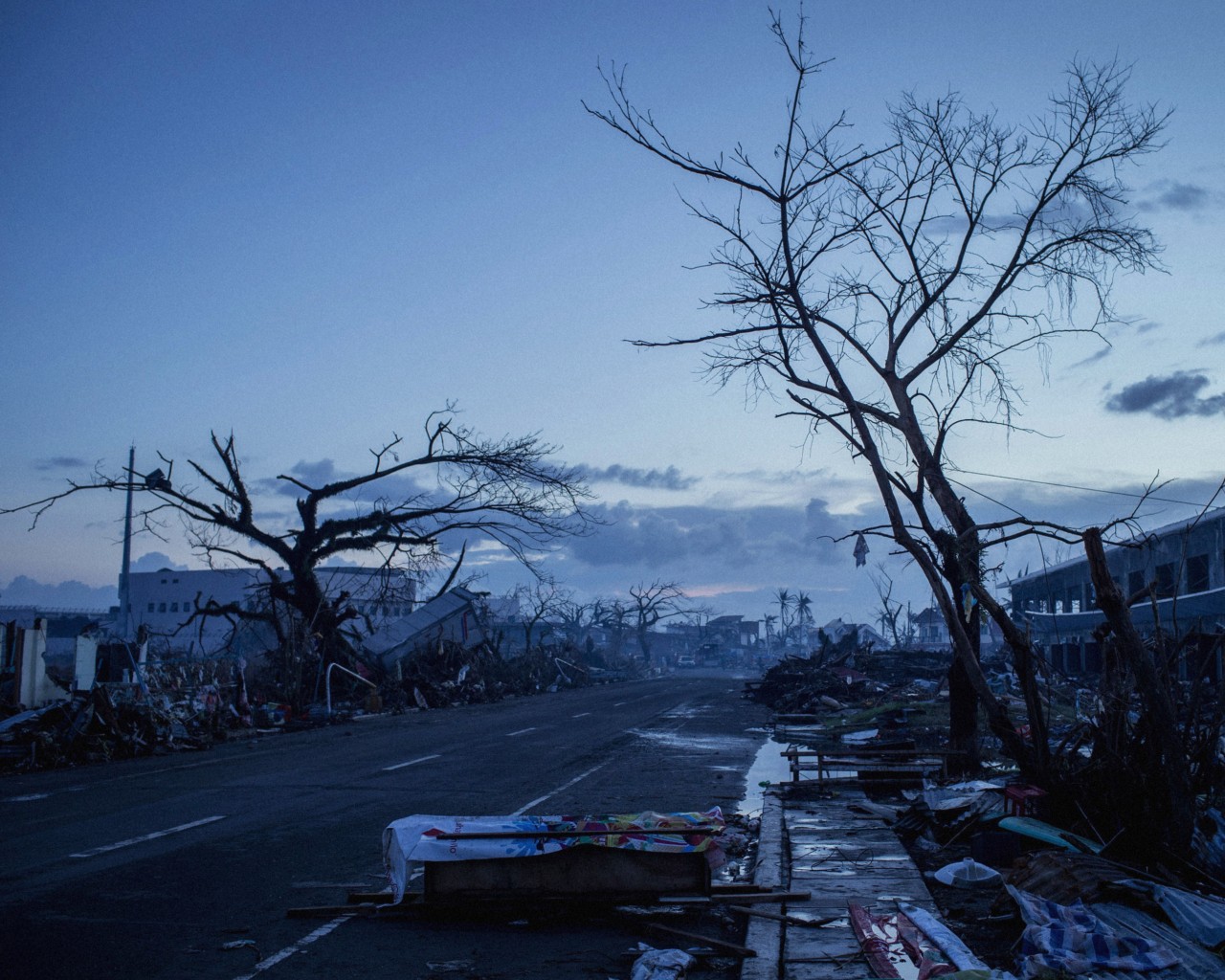
The findings, released by the Urban Institute, come 20 years after Hurricane Katrina devastated the Gulf Coast in 2005, destroying more than 800,000 homes and killing more than 1,800 people after the storm touched down in Louisiana and impacted parts of Alabama and Mississippi.
Researchers have analyzed data from 2005 to 2024 that could help equip policymakers with information for better decision-making when it comes to disaster preparedness, said Sara McTarnaghan, principal research associate at the Urban Institute.
The data also comes in the wake of federal government efforts to remove certain data from its websites and other resources since early 2025, limiting accessibility to key insights that could otherwise inform policymakers’ efforts to address concerns like climate change and its impact on their communities, experts say.
FEMA staffers accuse Trump of weakening disaster programs – POLITICO
33 years after Hurricane Andrew, how it changed preparedness forever | WUSF
https://www.wusf.org/weather/2025-08-24/hurricane-andrew-changed-preparedness-forever
“
Menu
Search Query
Donate
WUSF
Radiolab
Radiolab
WUSF
Thanks to you, WUSF is here — delivering fact-based news and stories that reflect our community. Your support powers everything we do.
Donate Now
33 years after Hurricane Andrew, how it changed preparedness forever
FPREN | By Melissa Feito
Published August 24, 2025 at 2:00 PM EDT
Facebook
Twitter
LinkedIn
Email
by Eduardo Merille
Eduardo Merille
/
NSF-NHERI Wall of Wind, Florida International University, Miami, Florida
by Eduardo Merille
Robert Molleda was one year into his career at the National Weather Service in Miami when Hurricane Andrew hit South Florida. Molleda was young and excited to experience his first hurricane. Miami had not seen a hurricane make landfall since Hurricane Betsy in 1965, 27 years prior. But as the storm rapidly intensified, the excitement dissipated.
It was late on a Saturday when it became clear Andrew was going to hit Miami. On Sunday, Molleda rested, helped his family prepare for the storm, and went to work at the NWS office. Andrew passed through Miami overnight and into the next morning. “We could see the winds picking up, 100, 120, 130… it went up and up and up,” Molleda said. Then, a loud bang. Molleda worried that the roof had caved in. But after a minute, he and the other meteorologists realized the radar monitoring scope had gone black.
“That was it, we lost the radar. That sound we heard was the radar’s dome collapsing and shattering into a million pieces.”
Today, Molleda is still with the National Weather Service in Miami as the Warning Coordination Meteorologist. The storm serves as a reminder, especially to those who lived it, to always be prepared. “The legacy and takeaway from Andrew is that we need to be ready in Florida,” Molleda said.
On August 23, 2022 on the anniversary of the storm’s landfall in Florida, Governor DeSantis and FDEM Director Kevin Guthrie commented on how Florida became a “national leader in emergency management.” But 30 years after Hurricane Andrew made landfall in Miami as a Category 5 storm, there are many lessons learned and lessons we are still learning about these powerful storms and their impact.
From the way buildings are constructed with hurricanes in mind, to community organization, to emergency communication, Andrew’s legacy was a widespread change in the way Florida prepares for and responds to hurricanes. With its 157 miles per hour plus winds and a 17-foot storm surge, Andrew’s well-documented destruction was nothing short of devastating to Miami-Dade County, especially the southern portion where the storm made landfall.
“We started to hear stories from friends and family in that area, about their homes being really damaged and, in some cases, they lost everything,” he said, “that’s when it started to sink in that things were really bad.” Molleda and colleagues from the NWS drove around to the areas most affected to help clean up. “We were there just to help pick up the pieces,” Molleda said, “furniture lying out in the front yard, gaping holes in the roof of some homes, total destruction in some neighborhoods.”
Miami’s community response after Andrew is something that still makes an impact on those who lived it. “It was the neighborhood that got together” to help each other, said Sandra Gonzalez-Levy, remembering the way her neighbors shared food and resources after the storm. She recalls Andrew being with her three children in a walk-in closet, protected under a mattress. “I have never heard such a bad sound,” she said, “it felt like a train was actually passing through our house. We were so afraid.” Her home in Coral Gables was spared from substantial damage, though she lived without electricity for several weeks. According to Molleda, “as bad as Andrew was, it would have been much worse if it had hit just a few miles northward in more heavily populated areas.”
The areas that were heavily impacted include Homestead, Cutler Ridge, and Florida City, suburbs and agricultural centers of the community. Gonzalez-Levy, who currently works at Florida International University in Strategic Partnerships, was with the Greater Miami Chamber of Commerce at the time. When they were able to get back to work, “we then, with Dade County, police, and the firefighters, visited the Homestead area. It looked like a war zone. We were blessed there weren’t more deaths.”
She credits Alvah Chapman, president of the Miami Herald, for creating a community response group known as “We Will Rebuild.” The Chamber then organized food and water delivery down to the affected areas, home to many farmers and agricultural workers. “We realized they lost everything. It was going to be an economic disaster,” she said. “We helped them, and the small businesses get back on their feet.”
But Miami’s homes and structures also needed to be rebuilt, literally. Elizabeth Plater-Zyberk is an architect, urban planner, and faculty member at the University of Miami School of Architecture. She recalls the sea change in how structures were built after the storm. “Hurricane Andrew proved to be not so much a testing ground, but a kind of pilot project” for better building methods, she said. Plater-Zyberk said architects in the community came to her after Andrew. “This is our field, we should be able to do something,” she said. A planning group was formed to investigate how rebuilding could be encouraged and even made better. “In the end, we had about 100 volunteers in a vocational school that had remained standing,” she said.
According to the Insurance Information Institute, 250,000 people were left homeless in Miami-Dade County, 25,524 homes were destroyed, and another 101,241 were damaged after Hurricane Andrew. Many homes were made cheaply, with weak structural connections and poor materials not fit for high winds. “The most important thing is to strap the building down,” she said, “we all worry about holding the building up, so it stays up, but in Florida now the building codes have very strict rules.”
Those rules are the Florida Building Code, activated in 2002, which is known to be one of the most thorough in the country. “Under scrutiny, you’d see buildings are being built better, they’re more expensive,” Plater-Zyberk said, “but they can withstand extreme weather.” Despite that added cost, what Florida has gained on top of safer homes is industry and innovation built around storm safety. Hurricane straps, a piece of metal hardware that reinforces the roof’s connection to the house, are now used in construction. Reinforced openings are also important. Once wind enters a home, it makes it a whole lot easier for the roof to blow off, which is why it is so important to protect. “A whole industry of hurricane-tested windows had to be invented,” she said.
And that technology is still being tested. Florida International University operates the Wall of Wind test facility on its South Florida campus. This towering wall of 12 super-powered fans can produce Category 5 winds used to test life-sized structures. According to FIU, the Wall of Wind was directly inspired by Andrew’s power.
“I always thought what Hurricane Andrew did was it woke up Florida,” said Erik Salna, Associate Director at the International Hurricane Research Center at FIU, “it reminded us we are the hurricane capital of the United States.” If Andrew had an upside, it’s that it changed Florida for the better, according to Salna. “We became the leader in emergency management, hurricane research and mitigation, and we are an example to the rest of the country,” Salna said, “and all that comes back to Andrew.”
One of the biggest improvements made after Andrew was how emergency managers strengthened their network and their outreach. “The Florida Division of Emergency Management in Tallahassee then worked very closely with the counties, which then worked closely with the cities and municipalities within the county,” he said, “then at the county and city level, they go out and educate everyone and get them ready.” Salna also praised the building methods enacted after 2002, such as the aforementioned hurricane straps and also the ring shank nail, which has threads around the shank that help hold onto wood during high winds. “With every $1 spent on mitigation,” he said, “$7 or $8 can be saved in recovery and cleanup. It makes good fiscal sense to build our structures stronger.”
The Truth About Climate Modeling Errors and Predictions – weather-fox.com
https://weather-fox.com/the-truth-about-climate-modeling-errors-and-predictions-2-355829/
A good article if one wants the basics of statistical modeling. It’s helpful for explaining how “42” is the answer to “What is Life, the universe and everything?”
“‘No climate model is perfect; errors are an inevitable part of the process. Most errors come from simplifications and assumptions. For example, some processes, like cloud formation, are too tiny to be modeled directly, so scientists use approximations. Other errors come from imperfect data—weather stations break, satellites drift, and measurements can be patchy. …'”
Assumptions are the framework holding all the data together in a rational way. All assumptions are built on what we know — so far.
Another key to a good model is the data, especially the “granularity.” Think of the evolution of the resolution on TV screens and the realism of video games. In my adult lifetime, we’ve seen higher and higher picture quality as tech has crammed more information per square millimeter. we have gone from the game “Pong” to EA Sports games where human movement is almost life like and where programmers have to blur out the players ‘ tattoos to avoid copyright infringement of the tattoo artists.
Oil and gas air pollution linked to 91,000 early deaths in the US each year
https://phys.org/news/2025-08-oil-gas-air-pollution-linked.html
The research quantifies the health impacts of air pollution across all oil and gas lifecycle stages, from exploration, extraction and drilling (upstream), through to compression, transport and storage (midstream), refinement or transformation into petrochemical products (downstream) and consumer end-use.
The researchers found that the final end-use stage, mostly from burning fossil fuels, overwhelmingly contributes the greatest detrimental health burden, accounting for 96% of total incidents linked to the oil and gas sector.
The five states that experience the greatest total health burden from all stages are among the most populated (California, Texas, New York, Pennsylvania, New Jersey). When normalized for population, residents in New Jersey, the District of Columbia, New York, California, and Maryland are subject to the greatest health impacts.
https://googleads.g.doubleclick.net/pagead/ads?client=ca-pub-0536483524803400&output=html&h=375&slotname=3775536476&adk=2811961812&adf=1560480360&pi=t.ma~as.3775536476&w=360&fwrnh=0&lmt=1755963261&rafmt=1&armr=3&format=360×375&url=https%3A%2F%2Fphys.org%2Fnews%2F2025-08-oil-gas-air-pollution-linked.html%3Futm_source%3Dnwletter%26utm_medium%3Demail%26utm_campaign%3Ddaily-nwletter&fwr=1&fwrattr=true&rpe=1&resp_fmts=3&sfro=1&wgl=1&uach=WyJBbmRyb2lkIiwiMTUuMC4wIiwiIiwiU00tUzkxOFUiLCIxMzkuMC4zNDA1LjEwMiIsbnVsbCwxLG51bGwsIiIsW1siTm90O0E9QnJhbmQiLCI5OS4wLjAuMCJdLFsiTWljcm9zb2Z0IEVkZ2UiLCIxMzkuMC4zNDA1LjEwMiJdLFsiQ2hyb21pdW0iLCIxMzkuMC43MjU4LjEyOCJdXSwwXQ..&abgtt=6&dt=1755963261054&bpp=2&bdt=1595&idt=346&shv=r20250820&mjsv=m202508190101&ptt=9&saldr=aa&abxe=1&cookie=ID%3D0a14dfcc9444a53e%3AT%3D1743601487%3ART%3D1754684950%3AS%3DALNI_MYF6bbWn8hNG7vRh6s2ZdDY02WfWw&gpic=UID%3D0000100529c555ff%3AT%3D1743601487%3ART%3D1754684950%3AS%3DALNI_MbwvVP_u8phqEarChm8nqC1I4bc0Q&eo_id_str=ID%3D13469bb4c385f2ea%3AT%3D1743601487%3ART%3D1754684950%3AS%3DAA-AfjZ6oe4s9RJTzz6UPb8lFEMs&prev_fmts=0x0&nras=1&correlator=4583138969951&frm=20&pv=1&rplot=4&u_tz=-240&u_his=1&u_h=772&u_w=360&u_ah=772&u_aw=360&u_cd=24&u_sd=3&dmc=8&adx=0&ady=3226&biw=360&bih=589&scr_x=0&scr_y=0&eid=31094074%2C31094244%2C95362656%2C95368289%2C95368764%2C95369196%2C95369706%2C95344791%2C95359266%2C31094077&oid=2&pvsid=504539849925224&tmod=428387377&uas=0&nvt=1&fc=1920&brdim=0%2C0%2C0%2C0%2C360%2C0%2C360%2C589%2C360%2C589&vis=1&rsz=%7C%7CeEbr%7C&abl=CS&pfx=0&fu=128&bc=31&bz=1&td=1&tdf=2&psd=W251bGwsbnVsbCxudWxsLDNd&nt=1&bisch=0&blev=0.73&ifi=2&uci=a!2&btvi=1&fsb=1&dtd=352
Unmasking a hidden health toll
Across the US, marginalized ethnic and racial groups face the greatest exposure to air pollution and health impacts across all stages. Native American and Hispanic populations are most affected by upstream and midstream stages, while Black and Asian populations are most affected by downstream and end-use stages.
On a national scale, downstream activities cause far less pollution than upstream and end-use activities, but this stage is the cause of the greatest relative adverse health outcomes for the Black population, particularly in Southern Louisiana (the region known as “Cancer Alley”) and eastern Texas.
The health outcomes for the Black population that are more severe than national incidences include premature mortality, preterm births, and the development of asthma among children.
Much of the disparity in exposures and health outcomes stems from a legacy of zoning practices, such as “redlining,” that relegated certain populations to living near pollution hotspots such as industrial areas or high-traffic roadways. Permitting of large factories that produce products from oil and gas is another contributing factor.
Senior author, Professor Eloise Marais (UCL Geography), said, “It is well known that air pollution from oil and gas activities causes certain communities to experience worse health outcomes. These communities are already aware of this unjust exposure and the disproportionately large health burdens they experience. Our study puts science-backed numbers on just how large these unfair exposures and health outcomes are.”
https://googleads.g.doubleclick.net/pagead/ads?gdpr=0&us_privacy=1—&gpp_sid=-1&client=ca-pub-0536483524803400&output=html&h=375&slotname=3775536476&adk=2811961812&adf=3441068810&pi=t.ma~as.3775536476&w=360&fwrnh=0&lmt=1755963267&rafmt=1&armr=3&format=360×375&url=https%3A%2F%2Fphys.org%2Fnews%2F2025-08-oil-gas-air-pollution-linked.html%3Futm_source%3Dnwletter%26utm_medium%3Demail%26utm_campaign%3Ddaily-nwletter&fwr=1&fwrattr=true&rpe=1&resp_fmts=3&sfro=1&wgl=1&uach=WyJBbmRyb2lkIiwiMTUuMC4wIiwiIiwiU00tUzkxOFUiLCIxMzkuMC4zNDA1LjEwMiIsbnVsbCwxLG51bGwsIiIsW1siTm90O0E9QnJhbmQiLCI5OS4wLjAuMCJdLFsiTWljcm9zb2Z0IEVkZ2UiLCIxMzkuMC4zNDA1LjEwMiJdLFsiQ2hyb21pdW0iLCIxMzkuMC43MjU4LjEyOCJdXSwwXQ..&abgtt=6&dt=1755963261056&bpp=1&bdt=1597&idt=357&shv=r20250820&mjsv=m202508190101&ptt=9&saldr=aa&abxe=1&cookie=ID%3D0a14dfcc9444a53e%3AT%3D1743601487%3ART%3D1755963261%3AS%3DALNI_MYF6bbWn8hNG7vRh6s2ZdDY02WfWw&gpic=UID%3D0000100529c555ff%3AT%3D1743601487%3ART%3D1755963261%3AS%3DALNI_MbwvVP_u8phqEarChm8nqC1I4bc0Q&eo_id_str=ID%3D13469bb4c385f2ea%3AT%3D1743601487%3ART%3D1755963261%3AS%3DAA-AfjZ6oe4s9RJTzz6UPb8lFEMs&prev_fmts=0x0%2C360x375%2C360x589&nras=2&correlator=4583138969951&frm=20&pv=1&rplot=4&u_tz=-240&u_his=1&u_h=772&u_w=360&u_ah=772&u_aw=360&u_cd=24&u_sd=3&dmc=8&adx=0&ady=4989&biw=360&bih=589&scr_x=0&scr_y=866&eid=31094074%2C31094244%2C95362656%2C95368289%2C95368764%2C95369196%2C95369706%2C95344791%2C95359266%2C31094077&oid=2&psts=AOrYGsnGVW_pBBnj1IFSrCFOs3iNuzReke5luAL-C1n1sQsMBQbJHVP0jtbYJo6letBujzubo5Qft0AB51A7iFZolnTKPflQ08a7nVGL-Pk3NHFM-Q&pvsid=504539849925224&tmod=428387377&uas=0&nvt=1&fc=1920&brdim=0%2C0%2C0%2C0%2C360%2C0%2C360%2C589%2C360%2C589&vis=1&rsz=%7C%7CeEbr%7C&abl=CS&pfx=0&fu=128&bc=31&bz=1&td=1&tdf=2&psd=W251bGwsbnVsbCxudWxsLDNd&nt=1&bisch=0&blev=0.73&ifi=3&uci=a!3&btvi=2&fsb=1&dtd=6550
The researchers were also able to track air pollution across borders, attributing 1,170 early deaths in southern Canada and 440 early deaths in northern Mexico to oil and gas air pollution from the US.
Co-author Dr. Ploy Achakulwisut (SEI) said, “Our study provides yet another compelling case for why we need to accelerate the phase-out of oil and gas production and combustion with hard numbers: hundreds of thousands of children, adults, and the elderly in the US could be saved from illnesses and early deaths every year.
“We therefore have an imperative to not only urgently transition away from fossil fuels to achieve net-zero emissions to save lives in the long term from climate devastation, but also to save lives and minimize environmental injustices in the near term from air pollution exposure.”
The researchers developed a comprehensive inventory of oil and gas air pollution sources, then ran it through a computer model that calculates the complex air chemistry that forms harmful pollutants across the US.
They then used these air pollutant concentrations with epidemiological evidence of the relationship between exposure and health risk along with census and health data to determine multiple adverse health outcomes and racial-ethnic disparities.
The researchers compiled data for the year 2017, the most recent year of complete data available. They added that their estimates are most likely conservative as US oil and gas production has increased by 40% and consumption by 8% between 2017 and 2023, and their work only focused on outdoor air pollution.
This analysis was carried out by researchers from UCL, the Stockholm Environment Institute (SEI), George Washington University and University of Colorado Boulder.
https://googleads.g.doubleclick.net/pagead/ads?gdpr=0&us_privacy=1—&gpp_sid=-1&client=ca-pub-0536483524803400&output=html&h=375&slotname=3775536476&adk=2811961812&adf=2054943363&pi=t.ma~as.3775536476&w=360&fwrnh=0&lmt=1755963338&rafmt=1&armr=3&format=360×375&url=https%3A%2F%2Fphys.org%2Fnews%2F2025-08-oil-gas-air-pollution-linked.html%3Futm_source%3Dnwletter%26utm_medium%3Demail%26utm_campaign%3Ddaily-nwletter&fwr=1&fwrattr=true&rpe=1&resp_fmts=3&sfro=1&wgl=1&uach=WyJBbmRyb2lkIiwiMTUuMC4wIiwiIiwiU00tUzkxOFUiLCIxMzkuMC4zNDA1LjEwMiIsbnVsbCwxLG51bGwsIiIsW1siTm90O0E9QnJhbmQiLCI5OS4wLjAuMCJdLFsiTWljcm9zb2Z0IEVkZ2UiLCIxMzkuMC4zNDA1LjEwMiJdLFsiQ2hyb21pdW0iLCIxMzkuMC43MjU4LjEyOCJdXSwwXQ..&abgtt=6&dt=1755963261057&bpp=1&bdt=1597&idt=360&shv=r20250820&mjsv=m202508190101&ptt=9&saldr=aa&abxe=1&cookie=ID%3D0a14dfcc9444a53e%3AT%3D1743601487%3ART%3D1755963261%3AS%3DALNI_MYF6bbWn8hNG7vRh6s2ZdDY02WfWw&gpic=UID%3D0000100529c555ff%3AT%3D1743601487%3ART%3D1755963261%3AS%3DALNI_MbwvVP_u8phqEarChm8nqC1I4bc0Q&eo_id_str=ID%3D13469bb4c385f2ea%3AT%3D1743601487%3ART%3D1755963261%3AS%3DAA-AfjZ6oe4s9RJTzz6UPb8lFEMs&prev_fmts=0x0%2C360x375%2C360x589%2C360x375&nras=2&correlator=4583138969951&frm=20&pv=1&rplot=4&u_tz=-240&u_his=1&u_h=772&u_w=360&u_ah=772&u_aw=360&u_cd=24&u_sd=3&dmc=8&adx=0&ady=6791&biw=360&bih=589&scr_x=0&scr_y=2028&eid=31094074%2C31094244%2C95362656%2C95368289%2C95368764%2C95369196%2C95369706%2C95344791%2C95359266%2C31094077&oid=2&psts=AOrYGsnGVW_pBBnj1IFSrCFOs3iNuzReke5luAL-C1n1sQsMBQbJHVP0jtbYJo6letBujzubo5Qft0AB51A7iFZolnTKPflQ08a7nVGL-Pk3NHFM-Q%2CAOrYGslwy1wnrEvOqMfkj5HWLqYK9t093hiWyrtAjM9nRFVkRfg5gbdc2YxdCfRbsR8N8oMqNMGqZ1rOau6npfrGOFTWD1C8DMg3kTN1R3VpfDcYyA&pvsid=504539849925224&tmod=428387377&uas=0&nvt=1&fc=1920&brdim=0%2C0%2C0%2C0%2C360%2C0%2C360%2C699%2C360%2C699&vis=1&rsz=%7C%7CeEbr%7C&abl=CS&pfx=0&fu=128&bc=31&bz=1&td=1&tdf=2&psd=W251bGwsbnVsbCxudWxsLDNd&nt=1&bisch=0&blev=0.72&ifi=4&uci=a!4&btvi=3&fsb=1&dtd=77885
More information: Karn Vohra et al, The health burden and racial-ethnic disparities of air pollution from the major oil and gas lifecycle stages in the United States, Science Advances (2025). DOI: 10.1126/sciadv.adu2241. www.science.org/doi/10.1126/sciadv.adu2241
Journal information: Science Advances
Provided by University College London
+ Explore further
Air pollution is linked to adverse birth outcomes in India
Jul 2, 2025
Air pollution during pregnancy can disrupt maternal metabolism, raising premature birth risk
Jun 3, 2025
Communities of color across the US suffer a growing burden from polluted air, study suggests
Mar 6, 2024
Long-term pollution exposure tied to increased COVID-19 deaths in poor areas
Feb 5, 2025
More than one million deaths in 2019 linked to air pollution exposure in Africa
Oct 28, 2022
Air pollution linked to increased risk for childhood asthma
Mar 5, 2024
https://googleads.g.doubleclick.net/pagead/ads?gdpr=0&us_privacy=1—&gpp_sid=-1&client=ca-pub-0536483524803400&output=html&h=360&slotname=3976320732&adk=3961383312&adf=3459343451&pi=t.ma~as.3976320732&w=360&lmt=1755963457&rafmt=1&format=360×360&url=https%3A%2F%2Fphys.org%2Fnews%2F2025-08-oil-gas-air-pollution-linked.html%3Futm_source%3Dnwletter%26utm_medium%3Demail%26utm_campaign%3Ddaily-nwletter&fwr=1&fwrattr=true&rpe=1&resp_fmts=3&sfro=1&wgl=1&uach=WyJBbmRyb2lkIiwiMTUuMC4wIiwiIiwiU00tUzkxOFUiLCIxMzkuMC4zNDA1LjEwMiIsbnVsbCwxLG51bGwsIiIsW1siTm90O0E9QnJhbmQiLCI5OS4wLjAuMCJdLFsiTWljcm9zb2Z0IEVkZ2UiLCIxMzkuMC4zNDA1LjEwMiJdLFsiQ2hyb21pdW0iLCIxMzkuMC43MjU4LjEyOCJdXSwwXQ..&abgtt=6&dt=1755963261058&bpp=1&bdt=1599&idt=361&shv=r20250820&mjsv=m202508190101&ptt=9&saldr=aa&abxe=1&cookie=ID%3D0a14dfcc9444a53e%3AT%3D1743601487%3ART%3D1755963261%3AS%3DALNI_MYF6bbWn8hNG7vRh6s2ZdDY02WfWw&gpic=UID%3D0000100529c555ff%3AT%3D1743601487%3ART%3D1755963261%3AS%3DALNI_MbwvVP_u8phqEarChm8nqC1I4bc0Q&eo_id_str=ID%3D13469bb4c385f2ea%3AT%3D1743601487%3ART%3D1755963261%3AS%3DAA-AfjZ6oe4s9RJTzz6UPb8lFEMs&prev_fmts=0x0%2C360x375%2C360x589%2C360x375%2C360x375&nras=3&correlator=4583138969951&frm=20&pv=1&u_tz=-240&u_his=1&u_h=772&u_w=360&u_ah=772&u_aw=360&u_cd=24&u_sd=3&dmc=8&adx=0&ady=8777&biw=360&bih=589&scr_x=0&scr_y=2793&eid=31094074%2C31094244%2C95362656%2C95368289%2C95368764%2C95369196%2C95369706%2C95344791%2C95359266%2C31094077&oid=2&psts=AOrYGsnGVW_pBBnj1IFSrCFOs3iNuzReke5luAL-C1n1sQsMBQbJHVP0jtbYJo6letBujzubo5Qft0AB51A7iFZolnTKPflQ08a7nVGL-Pk3NHFM-Q%2CAOrYGslwy1wnrEvOqMfkj5HWLqYK9t093hiWyrtAjM9nRFVkRfg5gbdc2YxdCfRbsR8N8oMqNMGqZ1rOau6npfrGOFTWD1C8DMg3kTN1R3VpfDcYyA%2CAOrYGslKCtKJEL6BGoGTf8gakQT3pxD5GxloOXF3Qlh0dSAZmF8j3joX_uRSIBKUbcrsU_sObB_cGQU0YmeesvUdiCDMRzN7B0Oo0AgI0xf3_P3gMg%2CAOrYGsm5u8R340x4zmkx8ji6Jp1kQitOnGZrGsI6xs3012QX9E7vg4RFUlqTQLrVW-z14RACvRyX4uO8s8_nDZ1o4awmlxx5XGLGseu9gh3dfg&pvsid=504539849925224&tmod=428387377&uas=0&nvt=1&fc=1920&brdim=0%2C0%2C0%2C0%2C360%2C0%2C360%2C589%2C503%2C824&vis=1&rsz=%7C%7CeEbr%7C&abl=CS&pfx=0&fu=1152&bc=31&bz=0.72&td=1&tdf=2&psd=W251bGwsbnVsbCxudWxsLDNd&nt=1&bisch=0&blev=0.72&ifi=5&uci=a!5&btvi=4&fsb=1&dtd=M
Ancient shells and pottery reveal the vast 3,200-years-old trade routes of Oceania’s Indigenous peoples
1 hour ago
A new perspective on how cosmological correlations change based on kinematic parameters
3 hours ago
Saturday Citations: Beyond general relativity; gas giants and dark energy; the pleasures of difficult hobbies
3 hours ago
Earliest evidence discovered of interbreeding between Homo sapiens and Neanderthals
5 hours ago
Hydroxyl adsorption identified as key factor in electrocatalytic ammonia production
21 hours ago
Microbes form living electrical networks to filter methane from ocean floor, scientists discover
21 hours ago
Self-consistent model incorporates gas self-gravity effects to address accretion across cosmic scales
21 hours ago
Using game theory to explain how institutions arise naturally to manage limited resources
22 hours ago
Self-renewing Fe-N-C catalyst shows improved durability for oxygen reduction in acid
22 hours ago
How migratory locusts balance aggregation and repulsion via olfactory neural modulation
22 hours ago
New nanoparticle methods speed up detection of viruses in food and water
22 hours ago
Identify the news topics you want to see and prioritize an order.
Save and exitCancel
Science X Daily and the Weekly Email Newsletter are free features that allow you to receive your favorite sci-tech news updates in your email inbox
Get in touch
OUR Products
Other Publications
Extras
Legal
© Phys.org 2003 – 2025 powered by Science X Network
Disasters and the Gulf Coast, 20 Years after Hurricane Katrina | Urban Institute
https://www.urban.org/stories/disasters-gulf-coast-katrina
Explore 20 years of data that highlight how foundational changes to federal disaster policy and programs would have significant consequences for the Gulf Coast, where extreme weather and disasters are a critical challenge.
One of Hurricane Katrina’s most important lessons isn’t about storm preparations – it’s about injustice
Bottom line — “…In many American cities, policies still leave some communities facing a greater risk of disaster damage. To protect residents, cities can start by investing in vulnerable areas, empowering a community-led recovery and ensuring race, income or ZIP code never again determine who receives help with the recovery. “‘