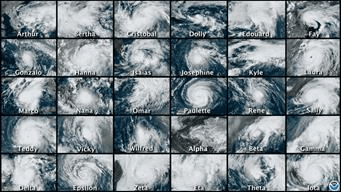
Sharing with a tip of the hat to both NEMA and Jim Mullen:
| Guest Contributor Jim Mullen with a Word to Emergency Managers About 2020 |
| Dear Colleagues: It might be time to reflect on your emotional or mental health in the wake of COVID-19, wildfires, storms floods and civil unrest. 2020 is different. Those currently in emergency management roles would do well to take stock of how they internally are handling the cascading series of events that are pressing our profession. 2020’s disaster issues will not go away naturally, if at all. Emergency managers can react, but alone cannot bring these 2020 crises to conclusion. Here is why: The civil unrest seems unrelenting, and intellectually we should know it will not abate until the conditions that provoked the protests are properly dealt with. This means legal consequences for violent behavior by police. The underlying reasons such conduct occurs will take much longer to resolve. Emergency managers cannot resolve those problems. Wildfires have many causes, but the frequency and severity in recent years is the product of decades of ignoring warnings about the effect of human behavior on the global climate. The slowness of recognizing this as a threat to humanity will exacerbate conditions even once prudent steps are taken, nationally and worldwide. Emergency managers are at best bit players in the resolution of climate change. COVID -19 poses a more subtle threat, because its consequences have not abated with time. No national leadership of a response is certain to occur until (possibly) January 20th, 2021. Emergency personnel can react to logistical requirements, anticipate shortfalls, and minimize problems that are identified, but they cannot prevent the progression of the disease nor meaningfully ease the suffering or anxiety of the public. But still they serve under what must be excruciating pressure. Of course, the upcoming national election results, if disputed, will be one more log on the fires emergency managers will have to contend with (see bullet on civil unrest). The COVID crisis may seem to resemble playing a game in which the best result each day is a tie score (or a “plateau”), only to start the next day behind again. You are good enough to be in the game, and conditions would be far worse without you – but you can neither set the rules nor control the outcome. It is not even clear how to determine when it will be over. The issues noted above do not lend themselves to an orderly, or even a satisfactory resolution. To emergency managers, accustomed to problem solving and dedicated to providing a foundation for restoration of normalcy, that reality can impose a heavy psychological burden that may be difficult to discern. Emergency management colleagues: talk to somebody. Directors of emergency management personnel: do not fail to take care of yourselves while you are tending to the psyches and morale of your staff. The River of Denial has a swift current – do not get swept away. Jim Mullen NEMA 2011-2012 President Former Director, Washington State’s Division of Emergency Management “We Cannot Direct the Wind, But We Can Adjust the Sails” – Dolly Parton |

 From Brassville to... (working title)